

The automotive is a dynamic landscape filled with innovation and change, yet currently it confronts significant obstacles that could reshape the automotive landscape. With the swift progress of EVs and the shifting demands for green solutions, industry players are navigating a complex web of trends potentially redefining their market. Motorcycle enthusiasts are experiencing this impact, as the inclusion of electric tech extends beyond cars to motorcycles and motorcycles, demanding sustainable alternatives in an industry traditionally centered around gas-powered vehicles.
As we explore the most recent updates in the auto world, one realizes the fact that the journey ahead is fraught with obstacles. From manufacturing supply chain setbacks to the race for technological advancements in driverless cars, the automotive industry is seeking solutions to keep its advantage. Amid new car assessments and information about supercars, vans, and campervans arising continuously, the attention on automotive innovation has never been more important. Comprehending the present situation of automotive news, such as electric vehicle news and general auto industry updates, is crucial for anyone who aims to remain informed in this quickly transforming field.
Actual Developments in the Vehicle Industry
The auto industry is witnessing a substantial transition towards electric mobility. The rise of electric vehicles, or electric vehicles, is taking over news in automotive news. A growing number of companies are launching electric car models, driven by both market demand for environmentally friendly options and more stringent emissions regulations. This trend is altering the vehicle sector, resulting in developments in battery technology and charging networks, as manufacturers vie to gain a bigger slice of the growing electric vehicle market.
In further to electrification, connectivity and technology integration are growing to be key topics in automotive sector coverage. Automobiles are now fitted with sophisticated infotainment systems and advanced driver-assistance systems. These technologies are improving the experience of driving and improving safety on the roads. News on automotive technology is active with advancements in self-driving technology, with numerous producers experimenting with self-driving features in real-life scenarios, indicating a prospective where cars could function with limited human intervention.
The demand for sustainability is also impacting trends in auto production. Producers are concentrating on sustainable manufacturing processes and substances, aligning with public preferences for eco-friendly alternatives. From eco-conscious manufacturing to the rollout of electric vans and recreational vehicles, the auto sector is changing. Latest news on vehicles emphasizes how companies are not just transitioning to EVs but are also reconsidering the whole lifecycle of their products to lower their impact on the environment.
Issues in EV Adoption
As the automotive industry transitions towards electric vehicles, several challenges impede widespread acceptance. One significant hurdle is the absence of charging infrastructure. While campervan news may have networks of electricity stations, rural locations often are lacking. This creates range concerns among potential EV investors, as they worry about depleting of battery power far from recharging options. Inadequate infrastructure can deter consumers from making the change to electric, restricting the market's growth.
Another major challenge is the upfront cost of electric vehicles. Despite falling prices and state incentives, many consumers still view EVs as costlier than traditional gasoline-powered cars. The idea of high upfront costs can dissuade buyers, especially in budget-conscious markets. Additionally, the cost of power sources remains a crucial factor and impacts the overall pricing of electric vehicles. Without achieving a lower price point, broader market penetration may require more time than expected.
Finally, consumer education plays a pivotal role in the adoption of electric vehicles. Many possible buyers are unaware of the benefits of EVs or harbor misconceptions about their capabilities, maintenance, and longevity. Without proper knowledge, consumers may be reluctant to embrace this emerging technology. Car manufacturers and advocates must focus on awareness campaigns to educate the public about the advantages of electric vehicles, facilitating for increased acceptance and adoption in the automotive sector.
The Future of Bikes and Supercars
As the automotive industry evolves, the future of bikes and high-performance cars is set to experience major changes. With developments in tech, manufacturers are concentrating on integrating electric drive systems into their high-performance models. Electric bikes are gaining traction, promising instant torque and reduced emissions, attracting to a new wave of riders. Moreover, high-performance car manufacturers are investigating hybrid systems that merge combustion engines with electric motors to enhance performance while complying with environmental regulations.
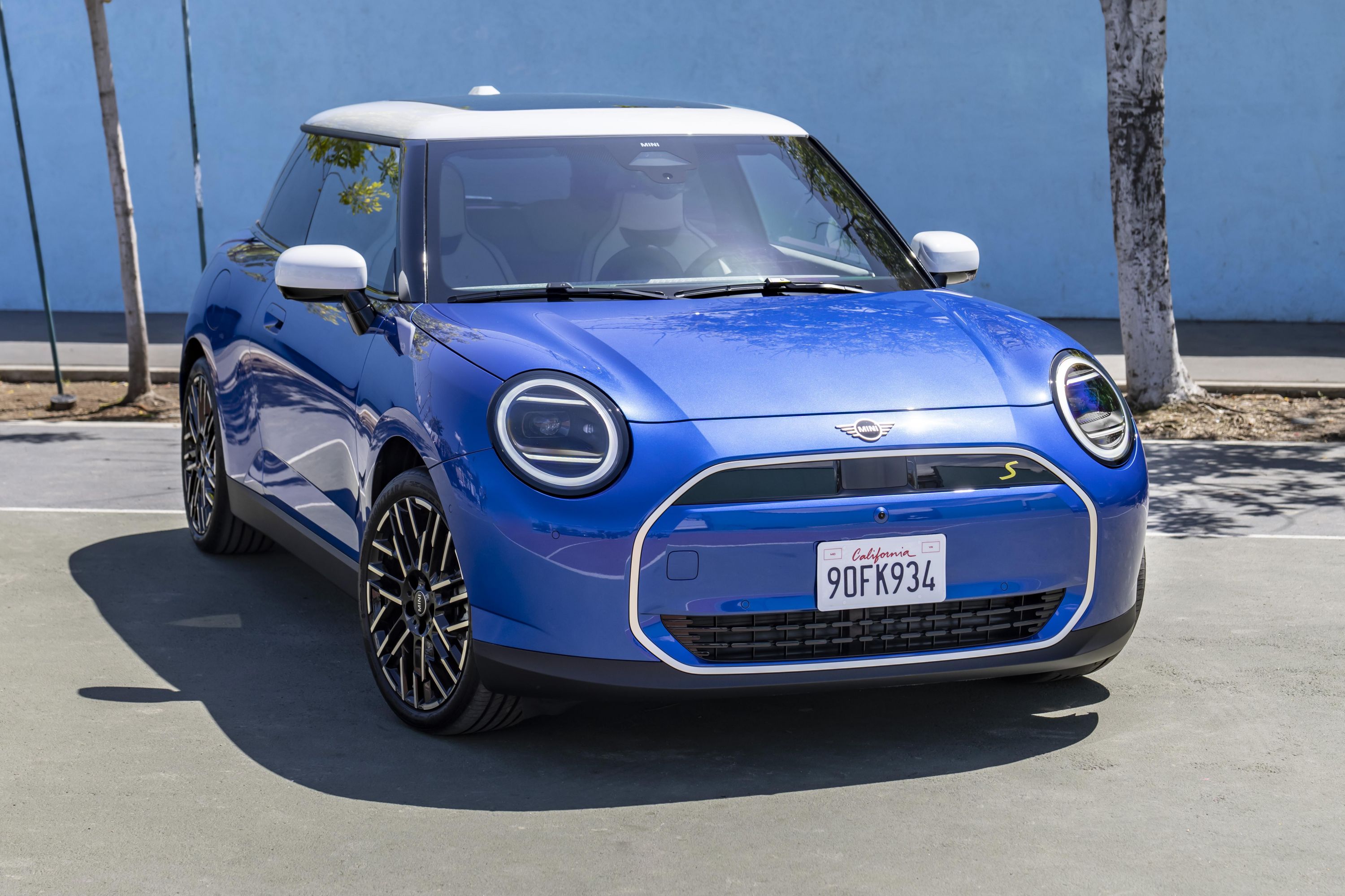
In the field of styling, both bikes and high-performance cars are embracing aerodynamics and light materials. Advancements in carbon fiber and aluminum alloys are making vehicles lighter and more efficient, boosting speed and handling without sacrificing safety. Furthermore, advancements in automotive tech are enabling features such as smart connectivity and enhanced rider assist systems. These features not just provide improved control and safety but also create a more immersive riding experience.
The world of motorsport is also changing, with electric racing series emerging as a popular alternative to traditional combustion-engine competitions. Events such as the MotoE and Formula E demonstrate the potential of electric power in high-stakes competitions, drawing enthusiasts and inspiring advancement within the industry. As consumers become more environmentally conscious, manufacturers will need to adjust and innovate to meet changing preferences, ensuring that the thrill of bikes and high-performance cars remains vibrant in a sustainable prospective.